





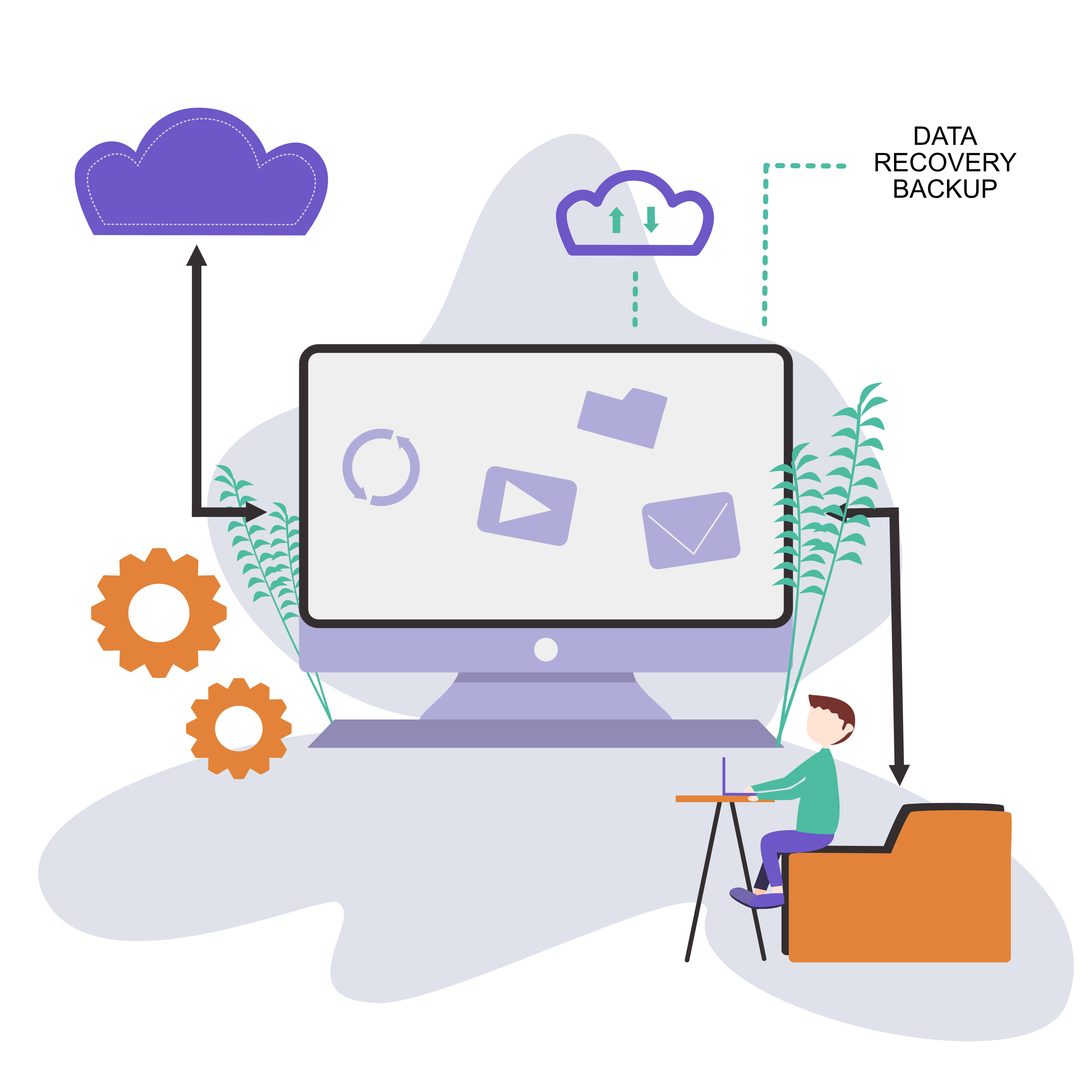
Cyberattacks, hardware malfunctions, human error, and natural disasters. In the event of these unforeseen circumstances, two connected but different cloud-based services that can assist you in safeguarding your data and IT infrastructure are disaster recovery and backup as a service.
Services for disaster recovery and data backup are crucial parts of any all-encompassing IT strategy. When it comes to making sure that vital data and IT infrastructure are protected and available, they frequently collaborate as the system's superheroes.


 Our offering


 Work Process

 1
In this phase, you define the project’s goals, target audience, and business requirements...
 2
During the design phase, you create wireframes, mockups, and prototypes of the website’s layout and structure...
 3
This stage involves coding and implementing the website design. The web development team...

 4
In this stage, the web development team tests the website's functionality, usability, and performance...
 5
After the website is deployed, the web development team should provide ongoing maintenance...
 What We OFFER


With a staff of highly skilled and knowledgeable IT specialists, Satelius can equip your team to execute IT strategies...

Cybersecurity is a critical component of any organization's operations in the digital age. It encompasses the protection...

Web development involves creating and maintaining websites or web applications. It encompasses a range of tasks...

A corporation needs IT infrastructure, also known as technology infrastructure, in order to develop and operate the applications...

CCTV systems change the video stream into a format that is compatible with DVRs, VCRs, and televisions.Video signals from IP cameras are...

Satelius is proud to present its comprehensive Tally Support Services, designed to empower your business with seamless accounting solutions...
BLOG & NEWS 

Data backup involves making copies of important files and data to protect against loss due to accidental deletion, hardware failure, or other unforeseen events. Disaster recovery refers to the process of restoring data and systems after a catastrophic event, such as a natural disaster, cyberattack, or hardware failure.
Data backup is essential for protecting valuable information and preventing data loss. It ensures that critical files and data can be recovered in the event of accidental deletion, hardware failure, theft, or other emergencies.
The frequency of data backups depends on factors such as the volume of data, the importance of the information, and the level of risk. In general, it is recommended to perform regular backups, with daily or weekly backups being common for critical data.
Disaster recovery planning involves developing strategies and procedures for responding to and recovering from catastrophic events that could disrupt business operations. This includes identifying potential risks, creating backup and recovery plans, and testing these plans regularly to ensure effectiveness.
Testing your disaster recovery plan involves simulating potential disaster scenarios and executing the recovery procedures outlined in the plan. This can include tabletop exercises, partial tests of specific components, or full-scale simulations of a disaster scenario.


